In the dawning age of humanity, they were gifted with many strengths, favored of the gods and the many spirits of the world as they were. With bodies tall as trees they strode out across canyon and mountain alike; with hearts pounding as war drums, they conquered all that lay before them; and with wit as keen as wolves, they made the wilderness their own. But some among them began to resent the challenges of so free a life, for it was rarely safe and rarely easy. They sought to find kinder places where they could rear whimpering children and grow their fields that they might loosen their teeth on a softer way of being. Thus did their babes become small and mewling things with every generation passed chewing on wheat and tamed flesh. Where skins and fire once sufficed, they raised stone walls and strange new gods in hopes that they might be shielded from the wrath of the old. But the spirits are hungry things and they never forget their slights.
From the snowy cliffs and thunder clouds and embers of summer fire did the old spirits rage, and with them the children of the high mountains cast down from their peaks to wage war and reclaim their lost and wayward brethren. It was not mere walls and farmlands and cities that were broken but the collective spirit of humanity itself, drained and withered and weakened until even those of the mountains were near as small and pitiful as their lowlander cousins. When they returned to the high mountains, they had changed so much that the spirits no longer could see them nor recognize them as their beloved children. So the highest of mountain ranges became impassable for the way the snow wailed and mourned and froze all who would trespass; so the lightning would become all the more fickle and strike the yurts as if they were kindling; so the fires would rage across the plains and forests, cleansing the land for rebirth.
So it was that the children of the high mountains learned to walk new places, carrying their camps and their clans and their spirits upon their backs. Across continents and across seas they strode, following the whispers of wind and star, seeking out all the wild places where spirits may yet recognize them for the mighty people they are.
The Weight of Prophecy
Though the older way of life is steadily losing favor for the stability and safety afforded by rejoining their cousins in their towns and cities, there are clans that yet maintain some semblance to the cultures and traditions of their forebearers. Skirting across mountain steppes and lowland plains, even crossing seas when the stars and signs align, they travel in great caravan trains supported by horse or oxen where they can be found. Temporary settlements of colorfully woven and dyed yurts pop up like flowers during certain times of the year where travel is considered unsafe, though these villages rarely linger for more than a few months at a time. Much of highlander life, from the day-to-day to the roaming paths they take, is laid out in oracle and prophecy and to move against such divination is considered invitation for the wrath of the elemental spirits to whom they give reverence. So important is this that the calendar year is often divided into seasons independent of those of the world around them: seasons for journeys, for birth, for rest, and for war. Other observances reserve days or even weeks at a time for gatherings and celebrations, and during these periods the migratory clans on a given continent (or even spanning several in some cases) gather together for revelry.
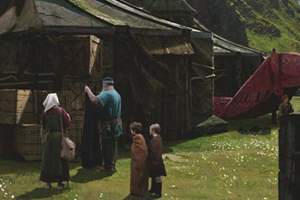
A temporary settlement of yurts.
Along with ritual comes a tendency towards superstition. It is said that the highlander people were once favored by the gods and that it was the lowlanders' failings to uphold that status that ultimately drained humanity as a whole of its divinity. It is not uncommon for the typical highlander to maintain rituals and mannerisms of their own in order to remain vigilant of such shortcomings, and to be proud to do so despite how eccentric or strange it may seem towards others. For instance, in some clans, it is considered to be a terrible slight against the spirits to fail to offer a cup of a drink made from fermented sheep's milk to visitors to the clan or to individual homes, just as it is an equally terrible slight for the guest who receive this drink to fail to drain their cups in its entirety. For those who settle into permanent residences, failing to set aside a small place to pay homage in some personal way to a favored spirit is considered an invitation for misfortune, likely to be seen by way of failing health or an accident of nature. Highlanders by nature are a warm people who delight in sharing stories, songs, and traditions with others, but they are just as easily put off by poor manners on the part of those around them, and those that do disappoint might have a difficult time of regaining their trust again. Grudges, as anyone who has heard tales of the old clan wars, can last generations and rarely end well for anyone.
Auspice, Exiled
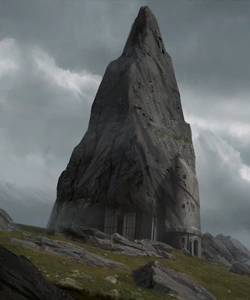
The home of a cloister of witches. In this place, they can speak more clearly with the elements.
Expert explorers and navigators, highlander clans move in ways often thought as unpredictable as the turn of the wind. There is some logic to the caravan trains, however, as they always visit or revisit particular places in whatever part of the world that are near sites considered to be of great power. While the highlander people are an inherently shamanistic society, their reverence is purely based on faith save for but a few who are capable of giving voice to the will of the elements. Those touched by magic are traditionally ousted from the clans for fear their power might bring misfortune or disaster upon the rest. Instead, they hold permanent residence apart from their clans and families, settling into the high mountains or deep woods where they are free to commune with the spirits at their own leisure. To be touched by such power is both curse and miracle, but it is by the visions of the witch-kind that the rest of the clans abide. Feared as they are, they are sought out for prophecy and wisdom, and are often consulted before major life events or other matters of great importance. It is a foolish warlord who initiates a horde without the blessings of a witch, just as a clan who plans to sail to continents unknown will surely find their death without a witch to chart their course.
Some parents opt to have a witch serve as midwife when it comes time for their children to be born. It is said that there is much that can be read from the first breath a babe takes: what sort of life they might lead, where they might go, what fears and goals they might face later in life. Such "quests" often become the center of a highlander's life, for better or worse, inspiring many to take leave of the wandering paths of their mother clans to either pursue such fate or defy it entirely.
Racial Relations
- With High Elves: Generally indifferent. Their infatuation with nobility, wealth, and magic makes them worth suspicion, never mind the way they’ve wormed into human hearts. They’re worth respect if only because of their martial skill, however: of all the elves, they are the ones sure to bring the best fight.
- With Wood Elves: Indifferent, wary. On occasion their paths do cross and their interactions tend to be favorable. But both groups are natural born hunters in their own respects, and wood elf appetites are well known to highlander children.
- With Dark Elves: Indifferent, suspicious. Interactions have historically been rare but for occasions where clans might cross isolated settlements. As outcasts to their respective races, there is a mutual respect.
- With Dwarves: Respectful. Dwarven culture is stepped in and proud of the histories they’ve lived. That and they are incredible artisans and storytellers both. There is no festival quite like a Dwarven festival - even the proudest human must confess to that.
- With Orcs: Respectful, but wary. They’ve warred with orcs about as much as they’ve warred with other humans. The monoliths are sure to be nothing but trouble, a twisted facade of the spirits they revere.
- With Humans: Complicated. The old grudges are hard to forgive and conflicts varying from minor skirmishes to full on war yet occur in certain parts of the world. The younger generation of highlanders may have learned something from generations upon generations of lowlander success, though, and maybe the attitudes will soon change.